Currency as Catalyst: How the Yen's Volatility Is Redrawing the Map of US Tech M&A
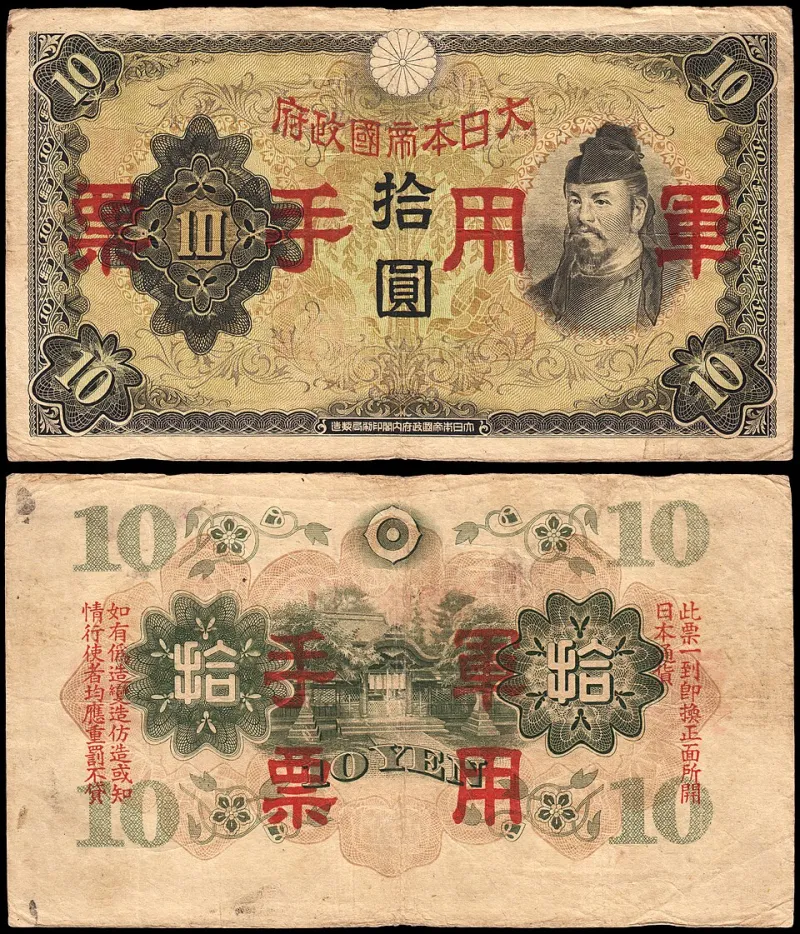
Photo: Army Ministry of Japan, Public domain, via Wikimedia Commons
For most American technology executives, currency risk occupies a footnote in quarterly filings — an abstract variable managed by treasury departments and largely invisible to strategic decision-making. That comfortable distance has narrowed considerably. As the yen has swung between multi-decade lows and sharp recovery rallies over the past three years, Japanese acquirers and their American counterparts have found themselves navigating a deal environment where exchange-rate arithmetic can make or break a transaction before due diligence even begins.
The numbers tell a striking story. When the yen weakened to approximately 152 per dollar in late 2023 — its softest level in roughly three decades — Japanese corporations sitting on dollar-denominated assets effectively watched their balance sheets inflate in yen terms. Conversely, those seeking to deploy capital into US markets faced a steeper cost of acquisition in real terms, even as headline valuations in dollars appeared attractive. The result has been a bifurcated landscape: some deals that closed during periods of yen weakness have generated outsized returns simply through currency appreciation on the way back up, while others have seen margin compression that no amount of operational synergy could fully offset.
The Mechanics of a Currency-Driven Deal Cycle
To understand why the yen's movements carry such outsized consequences for US tech valuations, it helps to consider the structure of a typical cross-border transaction. A Japanese strategic acquirer — say, a major electronics conglomerate or a software holding company — must convert yen into dollars to complete a US acquisition. When the yen is weak, each dollar of enterprise value costs more in domestic currency, effectively raising the hurdle rate for any deal. When the yen strengthens, that same dollar-denominated asset becomes cheaper to acquire, and any future earnings repatriated to Japan carry greater purchasing power.
This dynamic has created what some Tokyo-based M&A advisors describe as a "currency window" phenomenon: periods of yen strength trigger accelerated deal activity as Japanese buyers rush to lock in favorable conversion rates, while periods of weakness tend to suppress outbound acquisition volume. American founders and private equity sponsors who understand this cycle can position their companies — or their portfolio assets — to attract premium bids during precisely those windows.
SoftBank's investment history offers perhaps the most widely studied illustration of this principle in practice. The conglomerate's multi-billion-dollar commitments to US technology ventures have been shaped, at least in part, by currency considerations that operate alongside — and sometimes override — pure technology thesis arguments. More recently, mid-tier Japanese industrials and financial services firms have begun executing smaller, strategic acquisitions of US software-as-a-service companies, often citing yen-era pricing as a contributing factor in their timing.
Winners, Losers, and the Margin Compression Problem
Not every currency-influenced deal has unfolded as planned. Several Japanese acquirers who completed US technology transactions during periods of relative yen strength have subsequently found that a reversal in the exchange rate compresses reported earnings when results are consolidated back into yen. A US subsidiary generating $50 million in annual revenue looks materially different on a Tokyo parent's income statement when the conversion rate shifts by 15 to 20 percent — a range that has been well within recent historical norms.
For American companies operating as subsidiaries of Japanese parents, this creates a distinctive management challenge. Executives are often asked to justify cost structures or growth investments against a profitability baseline that has been quietly eroded by forces entirely outside their control. Several technology executives at Japanese-owned US firms have described internal budget negotiations that center less on operational performance than on hedging assumptions and forward exchange-rate projections — a dynamic that can distort strategic priorities and create friction between local management and Tokyo-based boards.
On the other side of the ledger, US companies that have acquired Japanese technology assets or entered licensing arrangements denominated in yen have, in some periods, benefited from a form of structural cost relief. Engineering talent, software development contracts, and intellectual property licensing fees priced in yen have effectively become cheaper in dollar terms during periods of yen weakness — a quiet subsidy that has not gone unnoticed by Silicon Valley firms with significant Japan-based R&D operations.
Practical Guidance for US Business Leaders
For American executives and investors navigating this environment, several principles have emerged from recent deal experience.
First, timing awareness matters. Monitoring the yen-dollar rate as a strategic variable — not merely a treasury concern — can meaningfully inform both sell-side and buy-side positioning. A US technology company exploring a sale process should consider whether Japanese strategic buyers are likely to be active or constrained by prevailing exchange rates, and structure outreach accordingly.
Second, deal documentation increasingly reflects currency realities. Earnout provisions, purchase price adjustment mechanisms, and representations around working capital are all being drafted with greater attention to exchange-rate scenarios than was common even five years ago. Legal and financial advisors with cross-border Japan-US experience have become noticeably more sought-after as a result.
Third, the hedging question deserves board-level attention. Companies with significant Japan exposure — whether through revenue, cost base, or ownership structure — should evaluate whether natural hedges exist within their business model before layering on financial instruments. In some cases, structuring revenue contracts in dollars rather than yen can provide meaningful protection; in others, the commercial relationships that make a Japan partnership valuable depend precisely on yen-denominated pricing.
The Broader Strategic Landscape
Beyond individual transactions, the yen's volatility is reshaping the competitive dynamics of the US-Japan technology corridor in subtler ways. Japanese venture capital firms, which have expanded their US presence considerably over the past decade, are increasingly sophisticated about deploying capital during currency windows. American startups seeking Japanese strategic investors should anticipate that currency timing will be an explicit part of the investment conversation — and that a compelling technology story may need to be paired with a credible hedging narrative to close the deal.
At the same time, the Bank of Japan's gradual pivot away from ultra-loose monetary policy introduces a new variable into long-range planning. If yen normalization continues — and most economists expect a measured, if uneven, trajectory toward higher Japanese interest rates — the era of structurally weak yen-driven acquisition windows may be entering its final chapters. For US companies hoping to attract Japanese capital at favorable terms, the urgency to engage may be greater than it appears.
The yen has always been a backdrop to US-Japan business relationships. Increasingly, it is moving to center stage.